Three Tennessee players put an 89% spending floor in college basketball's first CBA term sheet
Tyler Lundblade, Campbell Duncan and DeWayne Brown II helped write a non-binding term sheet with a salary cap, a freshman pay scale, a 15-day portal and two years of post-career medical coverage. It has no dollar figure yet.
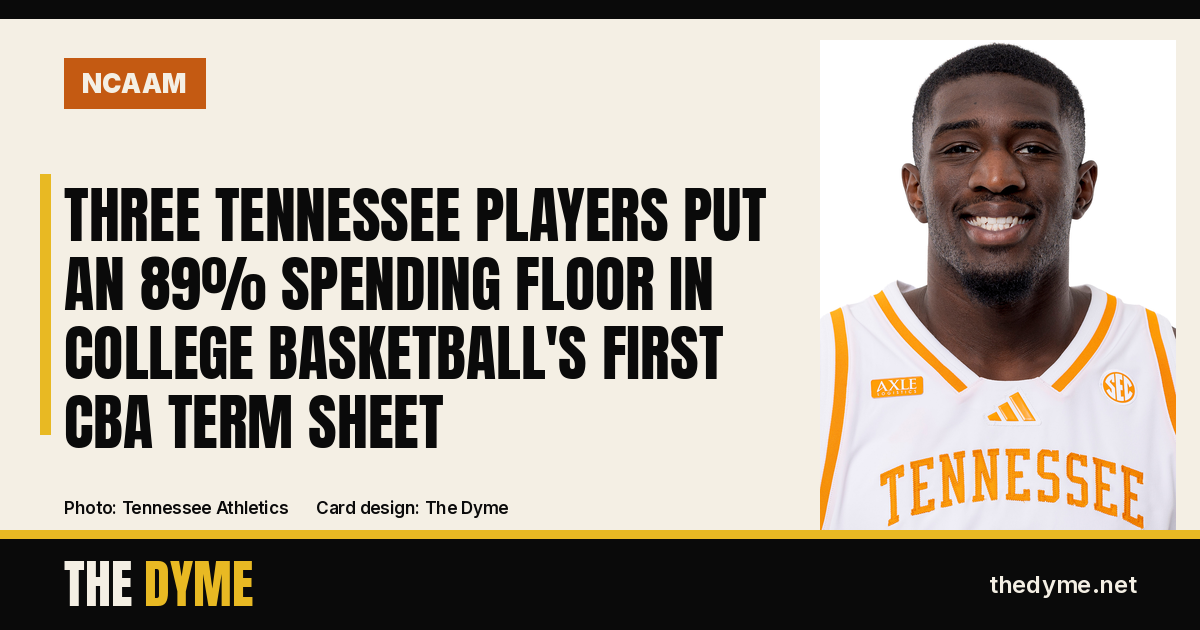
Photo: DeWayne Brown II, Tennessee men's basketball roster portrait, Tennessee Athletics (utsports.com), 2026-27 roster.
Tennessee's men's basketball players released a collective bargaining term sheet on Tuesday, built by three elected player reps with Athletes.org, that pairs a salary cap with a required spending floor. One of the two floor options in the sheet requires a school to spend 89% of the average annual cap across a four-year window, and the document carries no dollar figure for the cap itself.
Nothing in this sheet is signed. Athletes.org says Tennessee's administration has not agreed to or endorsed the terms, and athletic director Danny White and AO executive director Brandon Copeland both told ESPN that a real deal would need a larger group of schools at the table. What the Vols produced is a written list, in specific language, of what a college basketball locker room would ask for if it ever got the chance to bargain.
Read the list that way and it turns into a scouting report on what players think is broken.
The roster-building section is the loudest part. The sheet replaces revenue share and school-affiliated NIL deals with one Universal Athletic Services Agreement, so players are paid for playing basketball, with influencer deliverables out of the deal. Pay starts at enrollment or the first team activity, whichever comes first, and a school that backs out of a signed commitment pays for it. Every rostered player gets guaranteed minimum compensation and full cost of attendance. Freshmen get a pay scale, which ESPN compares to the rookie wage scale in pro leagues.
By our read, the freshman scale is the line most likely to change recruiting, because first-year pay would follow a scale instead of an open market. The sheet also points money toward players who stay, with a veteran performance bonus pool for players who stay, and play, at the same school for at least two years, plus a separate pool tied to actual playing time. Postseason revenue pools sit outside the cap. Those three pools reward the things a coach actually wants out of a roster: continuity, minutes earned and March wins.
The portal language is where coaches will push back. The proposal sets one 15-day transfer window that opens at least a week after the national championship game, with anti-tampering rules that can be enforced and a five-year eligibility clock. Declaring for a pro league would end a player's college eligibility. Put those together and the spring calendar gets cleaner and harsher at the same time. Nobody enters the portal until at least a week after the title game, and declaring for the pros becomes a one-way door.
In this draft, players gave up some movement in exchange for guaranteed money, protection and time. Pro leagues bargain that way, and Athletes.org calls the sheet a historic first in college sports.
The health terms are the part fans skip and players remember. Players on injured reserve keep 100% of their guaranteed compensation for the contract year and keep their scholarships. Every player gets a free second medical opinion. Medical coverage for athletics-related injuries lasts at least two years after eligibility ends, five years for players who reach veteran status, and for life on catastrophic injuries. Mental health care runs through providers outside the athletics chain of command, with retaliation prohibited. The sheet also builds in a dead period with no required athletic activity, plus a grievance and arbitration process, agent certification and a fine schedule to be bargained.
For a player weighing whether to sit with an injury in February, a guaranteed paycheck on injured reserve takes money out of that decision.
The cap circumvention section is the enforcement test. Under the proposal, the school, the athletes, the coaches and associated entities can all be penalized for working around the cap. By our read, "associated entities" is the phrase that would reach collectives and boosters, and it is the hardest line on the page for a single school to accept alone, since a school that capped itself while conference rivals stayed uncapped would risk losing recruits. Copeland told ESPN the sheet could be the model for a conference-wide agreement. White told ESPN he did not know how many schools should be involved.
The legal path is still the open question. College athletes are not treated as employees of their schools, so they cannot bargain as a union today, and some states bar public employees from collective bargaining. White has floated a private company acting as the central employer to get around those state laws. The Senate passed the Protect College Sports Act in September, and ESPN reports the midterms have put its House path in doubt.
Women's basketball is part of the template. Athletes.org says the template can be adapted for SEC men's basketball, football, women's basketball and Olympic sports, and it has started the same process with Tennessee football's player reps. In August, more than 100 women's basketball players signed union authorization cards with the United College Athletes Association, and Oregon State players filed a petition with the state labor board to be recognized as employees, per ESPN. Women's basketball players have been organizing on their own timeline.
For the No. 11 Vols on the floor, nothing changes this season. ESPN reports the sheet will not affect how Tennessee players are paid or treated. Off the floor, three players wrote a detailed, team-built answer to a question college basketball keeps asking without a draft in hand: what would the people who play the games actually sign? Their answer starts with an 89% floor, a 15-day window and two years of medical coverage, and it still needs a cap number and a room full of other schools.
Sources:
- Athletes.org: Tennessee Men's Basketball Players and Athletes.org Propose What a Collective Bargaining Term Sheet Could Look Like (Nov. 10, 2026)
- Athletes.org: Collective Bargaining Agreement Term Sheet Summary, University of Tennessee Men's Basketball Players (updated Nov. 10, 2026)
- ESPN: Tennessee, men's basketball team work on CBA-like deal
- Sports Business Journal: Tennessee men's basketball team models CBA
- Front Office Sports: Tennessee Men's Basketball Players Propose CBA
- Tennessee Athletics men's basketball roster
Related Posts
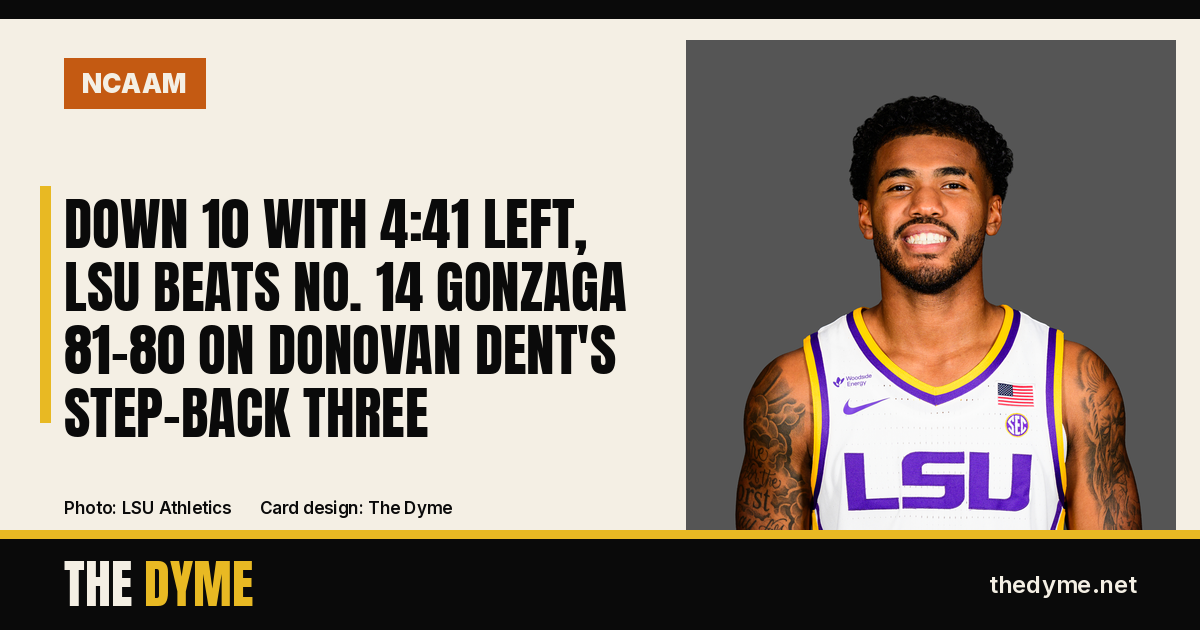
Down 10 With 4:41 Left, LSU Beats No. 14 Gonzaga 81-80 on Donovan Dent's Step-Back Three
Gonzaga had a 96.9 percent chance to win, per ESPN's win probability, after a Xaivian Lee three made it 75-65 with 4:41 left. LSU scored 16 of the last 21 points, and the Bulldogs did not make a field goal over the final 3:02.
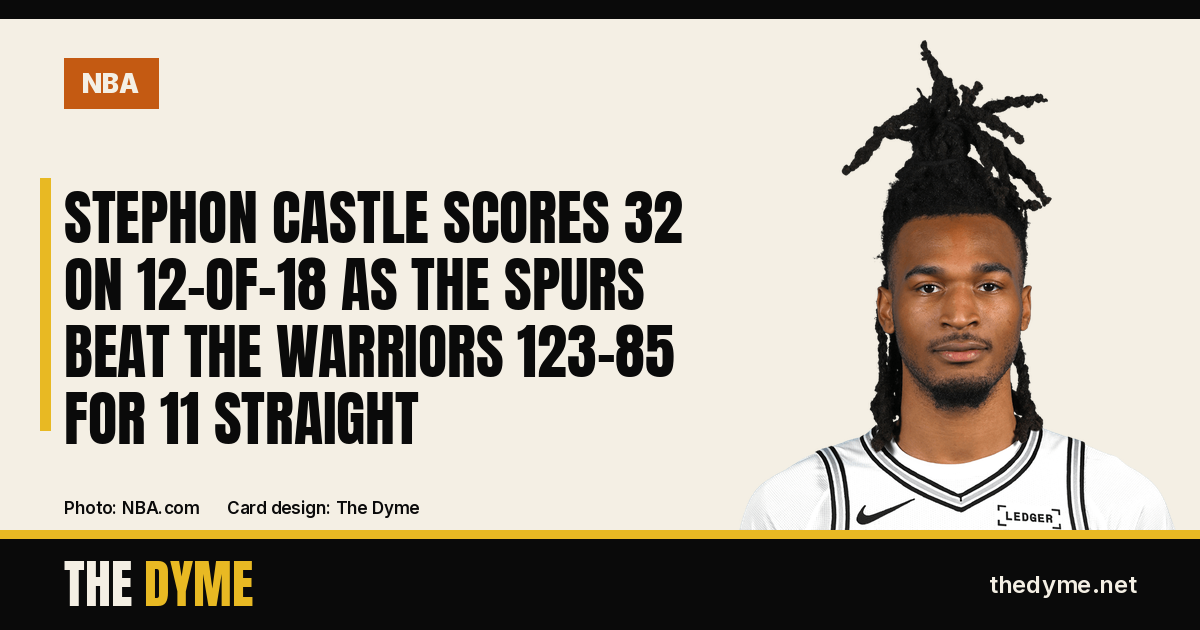
Stephon Castle scores 32 on 12-of-18 as the Spurs beat the Warriors 123-85 for 11 straight
Victor Wembanyama tied his season low with 12 points, and San Antonio still led by 43 as Castle made as many shots Friday as he had in his previous three games combined.
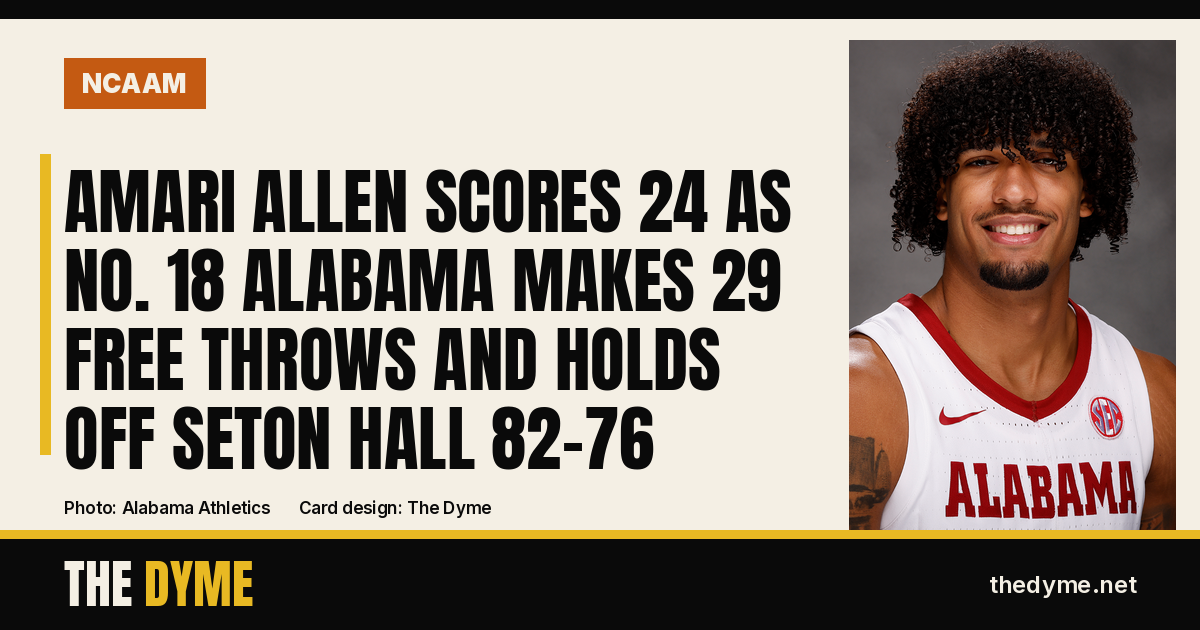
Amari Allen Scores 24 as No. 18 Alabama Makes 29 Free Throws and Holds Off Seton Hall 82-76
No. 18 Alabama beat Seton Hall 82-76 in Tuscaloosa after a 17-point lead shrank to three with 57 seconds left. Amari Allen scored 24, and the Tide made 29 of 38 free throws.